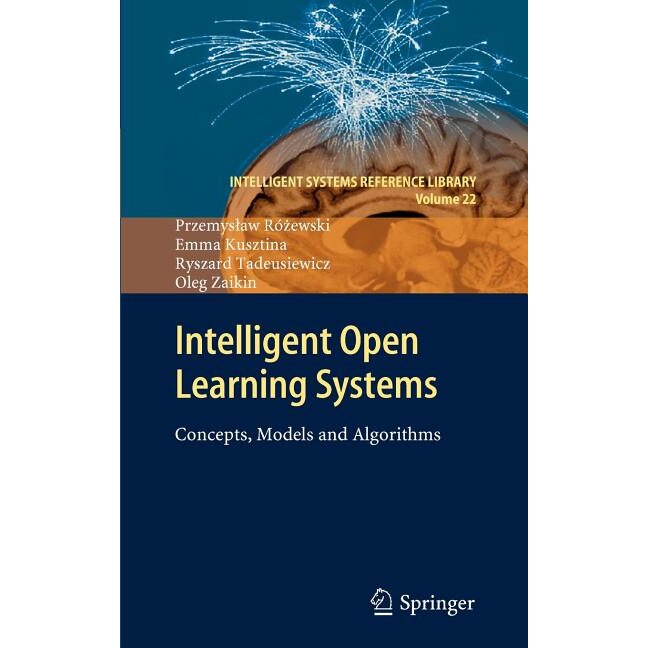
In
presented
book
the
Intelligent
Open
Learning
Systems
(IOLS)
are
proposed,
described,
discussed,
and
evaluated.
The
IOLS
is
a
system
in
which
traditional
methods
of
online
teaching
are
enhanced
through
the
use
of
artificial
intelligence
and
cognitive
science.
This
is
the
main
topic
of
the
book.
It
consists
of
ten
chapters
and
is
divided
into
three
parts.
The
first
part
concentrates
on
the
Open
Learning
System
(OLS)
analysis,
in
particular:
the
social
and
educational
meanings
of
the
OLS,
the
new
role
of
the
teacher
and
the
new
requirements
regarding
the
structure
of
didactic
material.
Moreover,
the
cybernetic
model
of
student,
teacher
and
computer
collaboration
is
presented,
the
teaching-learning
process
content
and
its
main
characteristics
are
discussed,
and
the
system
based
approach
to
the
OLS
design
is
proposed.
The
second
part
is
focused
on
the
problem
of
knowledge
modeling
in
the
OLS
based
on
the
ontology
and
the
competence
approaches
and
leading
to
the
learning
object
concept
and
competence
management
in
open
systems.
The
third
part
describes
applications
of
the
OLS
in
the
virtual
laboratory
for
competence
transfer,
the
community-built
system
of
distance
learning
network,
and
the
AGH
student
city
–
the
real-life
application
of
the
OLS
concept.
The
authors’
research
findings
presented
in
the
book
should
be
useful
in
various
applications
related
to
knowledge
management,
e-learning
systems
and
information
systems.
Textul de pe ultima coperta
In
presented
book
the
Intelligent
Open
Learning
Systems
(IOLS)
are
proposed,
described,
discussed,
and
evaluated.
The
IOLS
is
a
system
in
which
traditional
methods
of
online
teaching
are
enhanced
through
the
use
of
artificial
intelligence
and
cognitive
science.
This
is
the
main
topic
of
the
book.
It
consists
of
ten
chapters
and
is
divided
into
three
parts.
The
first
part
concentrates
on
the
Open
Learning
System
(OLS)
analysis,
in
particular:
the
social
and
educational
meanings
of
the
OLS,
the
new
role
of
the
teacher
and
the
new
requirements
regarding
the
structure
of
didactic
material.
Moreover,
the
cybernetic
model
of
student,
teacher
and
computer
collaboration
is
presented,
the
teaching-learning
process
content
and
its
main
characteristics
are
discussed,
and
the
system
based
approach
to
the
OLS
design
is
proposed.
The
second
part
is
focused
on
the
problem
of
knowledge
modeling
in
the
OLS
based
on
the
ontology
and
the
competence
approaches
and
leading
to
the
learning
object
concept
and
competence
management
in
open
systems.
The
third
part
describes
applications
of
the
OLS
in
the
virtual
laboratory
for
competence
transfer,
the
community-built
system
of
distance
learning
network,
and
the
AGH
student
city
–
the
real-life
application
of
the
OLS
concept.
The
authors’
research
findings
presented
in
the
book
should
be
useful
in
various
applications
related
to
knowledge
management,
e-learning
systems
and
information
systems.